
How China Wins: Chinese Still Rings Training Secrets Revealed
Chinese Men’s Artistic Gymnastics (MAG) has established an unparalleled dominance on the Still Rings, consistently outperforming other nations by a significant margin, often exceeding a 2-point lead in major competitions. This remarkable consistency is not merely a product of raw talent: Chinese Still Rings training method is a highly specialized and meticulously structured process that prioritizes foundational strength, precise technique, and a progressive approach to apparatus-specific conditioning.

More about China’s Men’s Artistic Gymnastics:
Breaking Down Chinese Men’s Artistic Gymnastics Training Methods
The Foundation: Early Childhood Strength and Handstand Mastery
The journey to Still Rings mastery in China begins at a very young age, long before athletes ever seriously engage with the rings themselves. The emphasis is placed on developing an exceptionally solid base of general strength and body control, with a particular focus on holds, presses, and pushes.
Child athletes are expected to demonstrate proficiency in:
► Handstand Basics: Holding handstands against a wall for dozens of minutes with sharp form, and freestanding handstands for minutes without wavering. This foundational handstand work is drilled endlessly, emphasizing correct shape and a solid, freestanding hold, which contributes to the signature “solidity” seen in Chinese rings athletes.
► Pressing Strength: Repetition of over a two dozen handstand pushups, piked handstand presses, and straddle presses.
► Planche Holds: Young athletes are already holding planches, demonstrating early development of extreme core and shoulder strength
The Extreme Demands of Rings Strength and Injury Prevention
Still Rings calisthenics and strength elements place immense strain on the body, particularly on the elbow, bicep, chest, and shoulder joints and tendons. Men’s Artistic Gymnastics Chinese coaches are acutely aware of these physiological demands and the associated injury risks.
Forces Exerted on Joints and Tendons (Approximate for a 70 kg / 154 lbs athlete):

Given these extreme forces, Chinese rings athletes do not start seriously training rings strength until age 14, when their joints and tendons are sufficiently developed to handle the load. This cautious approach is a critical component of their long-term athlete development strategy.
Progressive Rings Strength Training (Age 14+):
Once athletes reach the appropriate age, Chinese Still Rings training method is characterized by high-intensity, high-repetition work, with a focus on specific positions:
► Initial Phase: High-rep, high-intensity pulls and pushes in the Maltese, Planche, and Iron Cross positions.
► Load Management: The load is made manageable by shortening the lever of the arms with straps and through spotting, allowing for safe progression.
► Career-Long Progression: This progression of high-rep, high-intensity training continues for the duration of their careers, especially for those who specialize in rings.
► Integrated Training: Sets incorporate a mix of pulls/pushes with static holds (e.g., Iron Cross hold for 5 seconds, then press to planche). Subsets are used to further fatigue the muscles.
► Consistency: Rings is worked several times a week and maintained consistently to build strength over time while preventing injury from overuse.
Injury Prevention Strategies
Recognizing the prevalence of shoulder and elbow injuries in gymnastics, Chinese training incorporates specific preventative measures:
► Static Shoulder Dislocations: Plenty of static shoulder dislocations are performed on the rings and bars/sticks.
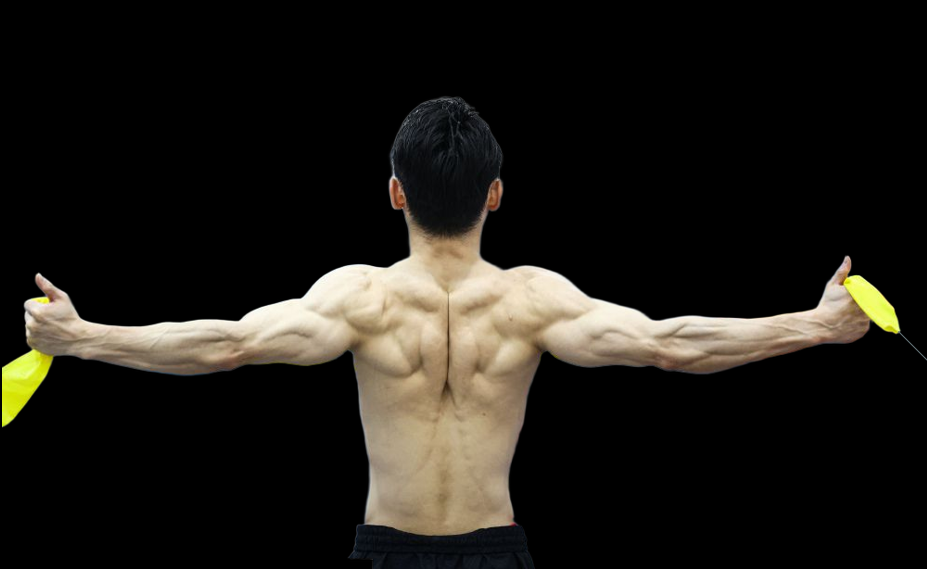
► Rotator Cuff Strengthening: Resistance band exercises are utilized to build rotator cuff strength, enhancing shoulder stability and strength.
The Art of Fluid Swings: Powering Dismounts and Stability
Beyond static strength, Chinese Still Rings training methods place a massive emphasis on swings on rings from the onset of an athlete’s career. The forward and backward swings in both directions are drilled endlessly for thousands of repetitions. This relentless focus on swing mechanics ensures that when athletes learn advanced elements like forward and backward giants, and Yamawaki / Jonassen, these skills are acquired with remarkable ease.
This early and extensive swing work means that by the time gymnasts become senior athletes, their giants and swings are rock solid, contributing to their almost “fake” stability on the rings. This impeccable basic swing work also translates directly to their dismounts, allowing athletes to learn complex dismounts extremely quickly due to their superior foundational understanding and control.


Conclusion
Chinese Still Rings training approach is a testament to a holistic, long-term development strategy. It begins with an uncompromising commitment to foundational strength and handstand mastery in young athletes, progresses to a scientifically informed, high-intensity rings-specific conditioning program that carefully manages injury risk, and is complemented by an unparalleled emphasis on fluid swing mechanics.
This integrated system, which builds strength, stability, and technical precision chronologically, is the bedrock of China’s enduring and overwhelming dominance on the Still Rings, consistently producing gymnasts who redefine the limits of strength and artistry on this demanding apparatus.
More: Understanding China’s gymnastics powerhouse



Leave a Reply